


Orthodontic treatments are designed to improve the alignment of teeth and support a healthy bite. Properly aligned teeth can enhance both oral health and the appearance of your smile.
Orthodontics Near You
IMPROVING TEETH ALIGNMENT
What is Orthodontic Treatment?
Orthodontics focuses on correcting misaligned teeth and bite concerns. When teeth do not align properly, it can affect chewing, speech, oral hygiene, and the overall appearance of the smile.
Orthodontic treatment gradually moves teeth into better alignment using specialized appliances. These treatments can help create a more balanced bite and make it easier to maintain healthy teeth and gums. Orthodontic care may help:
Improve Tooth Alignment
Correct Bite Irregularities
Reduce Tooth Crowding or Spacing
Improve Smile Appearance
Support Long Term Oral Health
Benefits of Orthodontic Care
Correcting alignment concerns can provide both functional and cosmetic benefits. When teeth are properly aligned, they are often easier to clean and maintain, which helps reduce the risk of dental cavities and gum disease.
Orthodontic treatment can also help balance the bite and reduce uneven pressure on teeth and jaw joints. Orthodontic treatment may help:
Improve Chewing and Bite Function
Enhance Overall Smile Appearance
Make Brushing and Flossing Easier
Reduce Uneven Wear on Teeth
Support Healthier Gums
Orthodontic Treatment Options
Different orthodontic treatments may be recommended depending on the alignment concerns and the patient’s needs. Below are some common orthodontic appliances used to improve tooth positioning and bite balance.
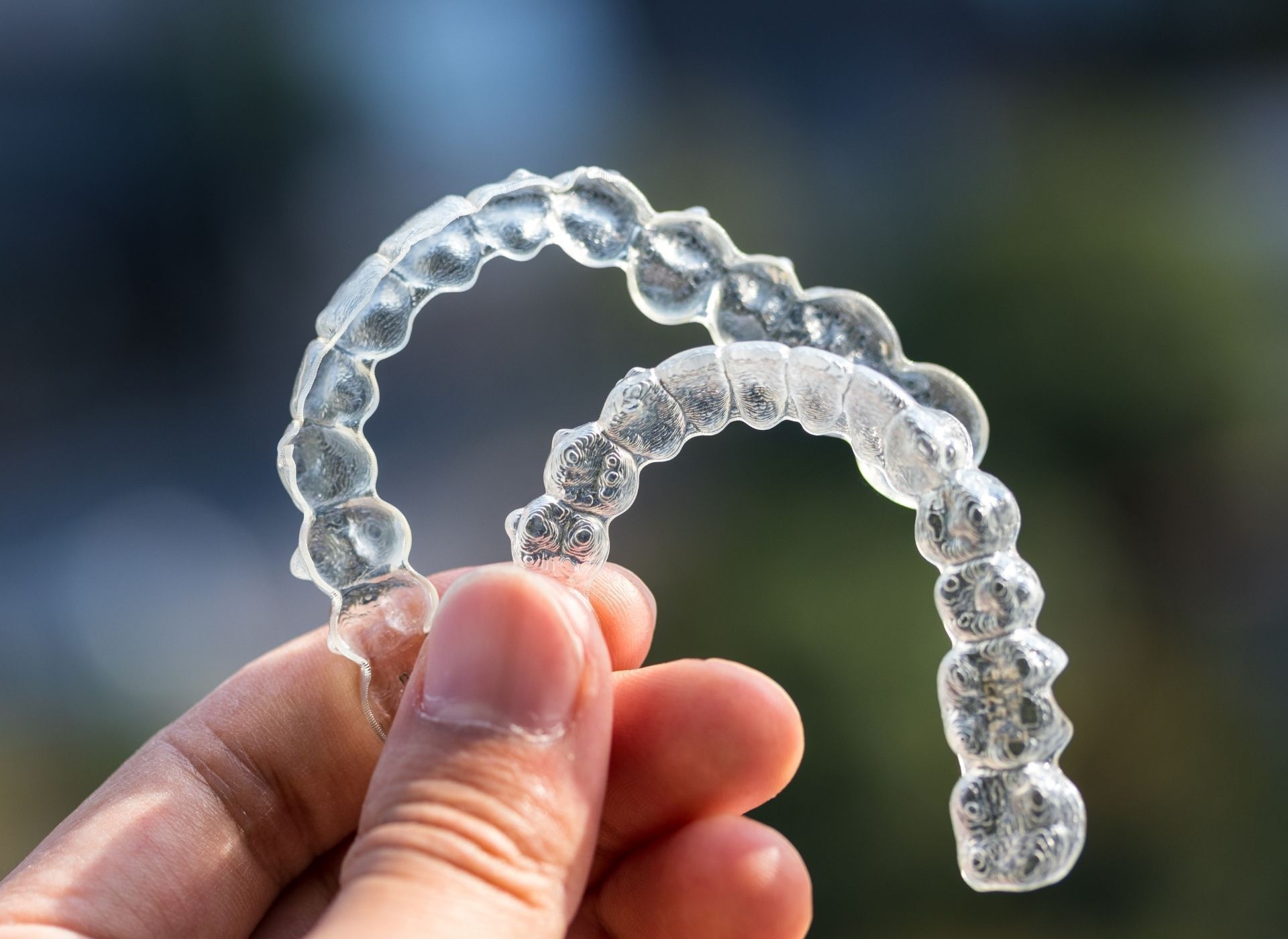
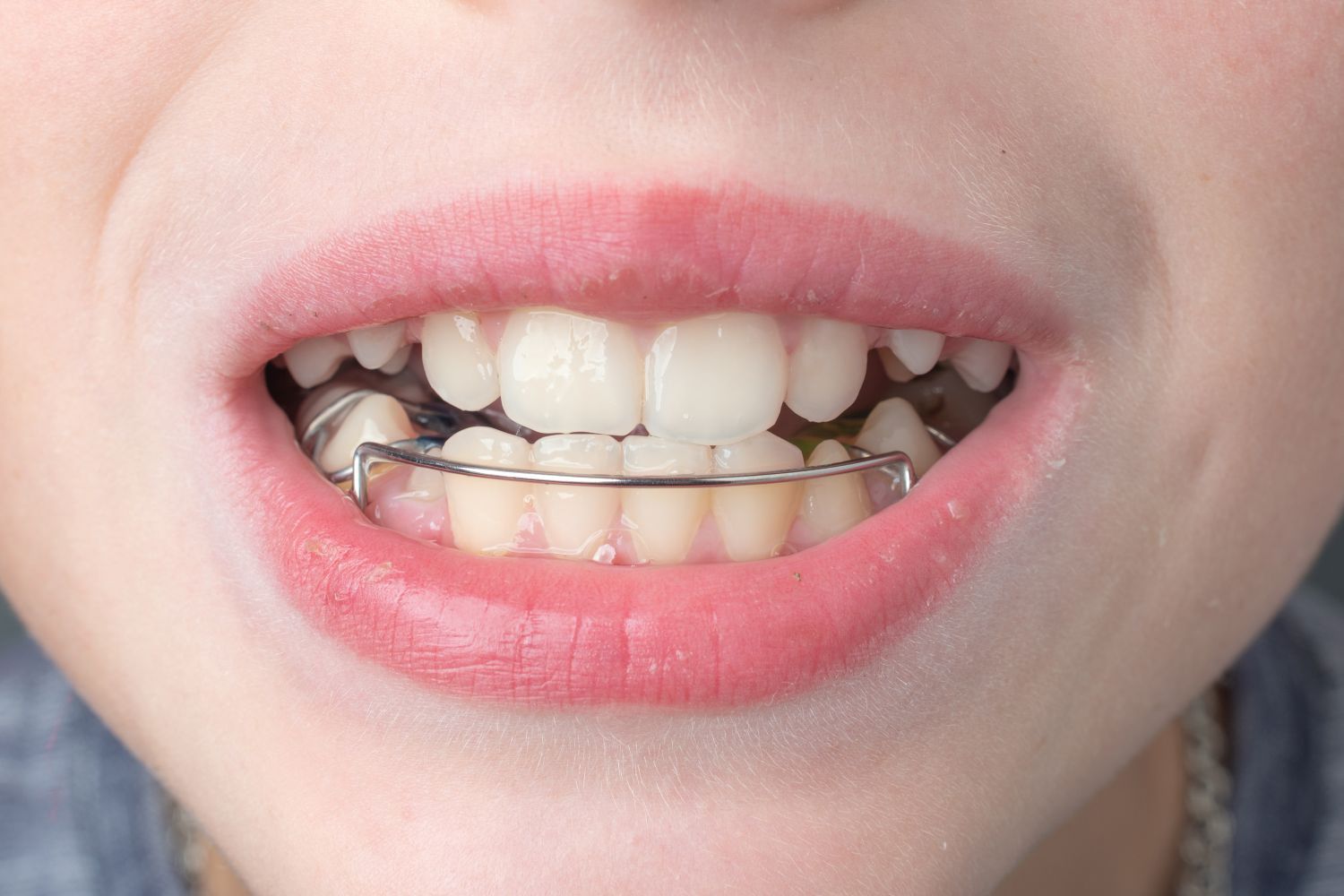
Retainers
Custom appliances used to maintain teeth after orthodontic treatment.
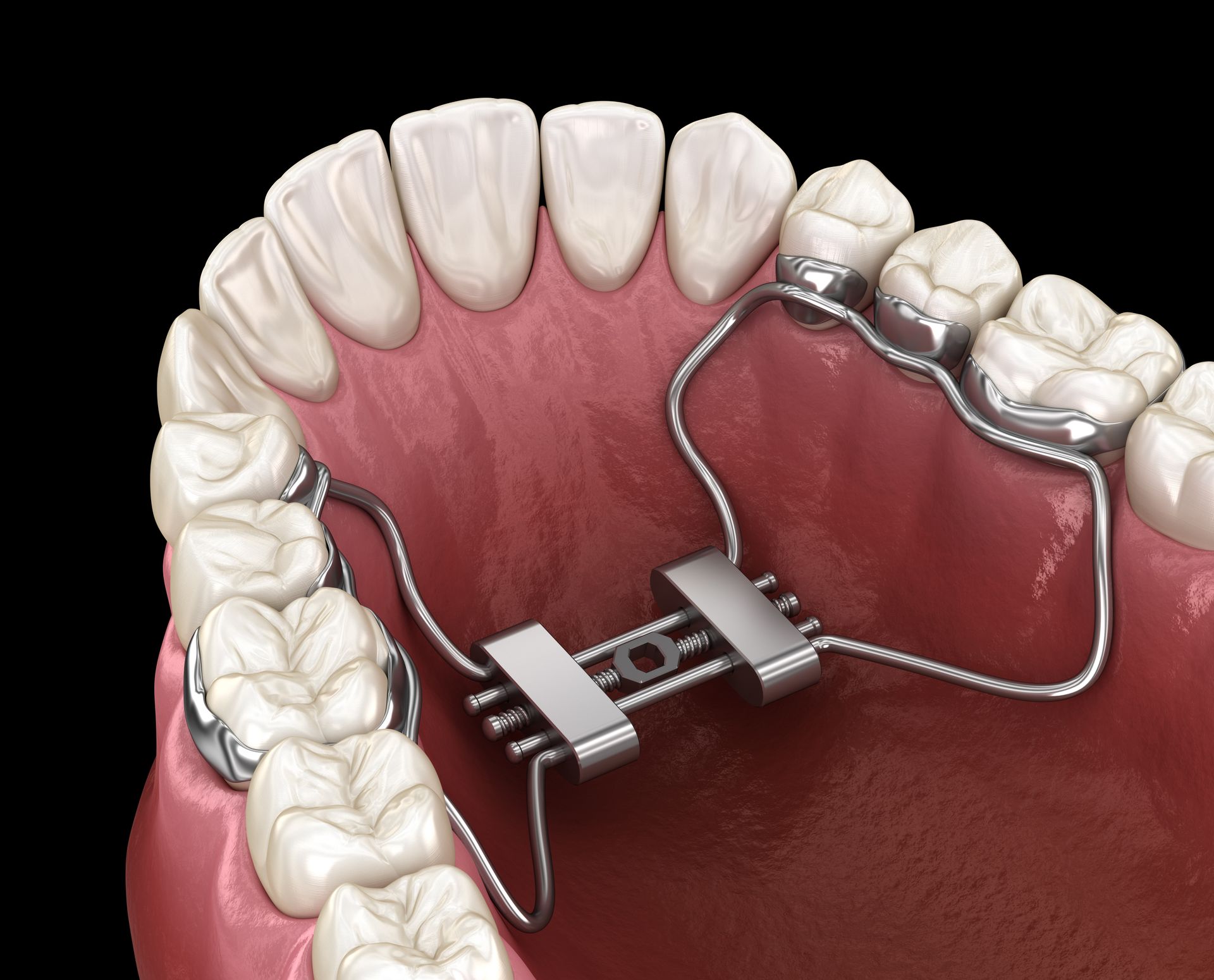
Palatal Expanders
Orthodontic devices used to widen the upper jaw and create space.
Frequently Asked Questions
Patients often have questions about orthodontic treatments and how they work. Below are answers to some common questions about improving tooth alignment.
How long does orthodontic treatment take?
The length of orthodontic treatment depends on the complexity of the alignment concerns being addressed. Some treatments may take several months, while others may take longer to achieve the desired results. Your dentist will evaluate your teeth and recommend a treatment timeline based on your needs.
Are orthodontic treatments only for children?
Orthodontic treatment can benefit both children and adults. While many patients begin orthodontic care during childhood or teenage years, adults can also improve tooth alignment and bite balance through treatments such as clear aligners.
Will orthodontic treatment be uncomfortable?
Patients may experience mild pressure when teeth begin to move during orthodontic treatment. This sensation is temporary and usually decreases as the teeth adjust to the appliance. Your dental team will guide you through the process to help ensure comfort throughout treatment.
Can orthodontic treatment improve oral health?
Yes. Properly aligned teeth are often easier to clean and maintain, which can help reduce the risk of cavities and gum disease. Orthodontic treatment may also help balance the bite and reduce uneven wear on teeth.
What happens after orthodontic treatment is complete?
After orthodontic treatment, retainers are typically recommended to help maintain the new tooth positions. Wearing retainers as instructed helps prevent teeth from gradually shifting back over time.

Improve Your Smile with Orthodontic Care
If you are considering orthodontic treatment, the team at Ottawa Dental Care can evaluate your smile and recommend treatment options that help improve alignment and oral health.